

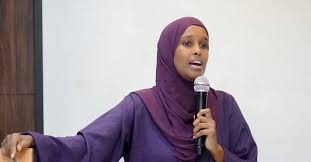
“Every attack on a journalist is an attack on truth, accountability, and the public’s right to know,” says Maryan Seylac, Executive Director of the Somali Women Media Association (SOMWA).
In partnership with UNESCO, her association organized a workshop in Mogadishu entitled “Digital Safety and Gender Justice: Ending Impunity for Crimes Against Journalists” tocommemorate International Day to End Impunity for Crimes Against Journalists.
The event highlighted a growing crisis: the rising tide of online and offline attacks against women in the media. Seylac reminded everyone why the fight for press freedom is inseparable from the fight for justice.
She presented SOMWA’s latest findings, a sobering picture of the digital landscape. Between November 2024 and October 2025, over 60 violations against journalists were documented, including arbitrary arrests, physical assaults, and workplace discrimination. Thirty of those cases targeted women through digital censorship or online abuse.
“These attacks are designed to silence and erase women’s voices from public spaces,” Seylac warned. “When women journalists are silenced, democracy itself suffers.”
For Anisa Ahmed Mohamud, a reporter with Dalbile TV, those statistics are not just numbers – they are lived realities. On August 27, 2025, Anisa was arrested after reporting on an alleged armed robbery involving men in uniform. She was thrown into a dark, unhygienic cell near male detainees. Her phone was forcibly unlocked using facial recognition technology.
They wanted to silence me. But fear will not stop me from telling the truth.
Weeks later, while covering a forced eviction in Deyniile, a security officer from the National Intelligence and Security Agency warned her “If you ever come back here, no one will ever see you.” Anisa fled the area, shaken but unbroken.
A wave of public outrage on social media forced authorities to release her and issue an apology. Her courage, Seylac noted, embodies the resilience of Somali women journalists who continue to report despite threats to their lives.
Women journalists are not victims to be protected. They are leaders to be supported. They are storytellers shaping Somalia’s future.
The global battle against AI-facilitated violence
Government officials and international partners reaffirmed their commitment to protecting journalists. Mohamed Bashir, Director General of the Ministry of Women and Human Rights Development, stressed that digital safety and freedom of expression must go hand in hand. “Freedom of expression must not come at the expense of safety, especially for women journalists,” he said.
Sam Thomas, Deputy Ambassador of the British Embassy in Mogadishu, echoed this call for accountability: “Justice delayed is justice denied. Impunity must end.” Speakers from across the UN system, including OHCHR and UN Women, linked the issue to fundamental human rights.
“When journalists are silenced, human rights violations become invisible,” said Kirsten Young of OHCHR. “Freedom of expression is a women’s rights issue,” added Rukaya Mohammed, UN Women’s Representative in Somalia. “Governments and tech companies must criminalize online abuse and promote digital literacy for women and girls.”
The Somali Ministry of Information also announced an ongoing review of media laws and a forthcoming policy on responsible social media use, aimed at promoting ethical digital engagement and protecting journalists from online abuse.
Strengthening solidarity and support